

It’s crazy how quickly our lives can change. In April, I had never read a single line from the epic poems. My only exposure to fairytales up until September were from the acclaimed Mike Myers vehicles, Shrek and the illustrious Shrek 2. Now, I find myself seriously considering dedicating the rest of my writing career to the study of folktales, both the old and the new.
How does something like this happen? Is it a natural progression that happens after years of silently building steam beneath the innermost corners of the brain? Or has the idea existed from the start, knowing exactly what it was, and what it wanted from me? Perhaps it did always exist, forcing me to discover it through years of clueless research, like a painful game of hide and seek.
I’ve always considered myself to be wasting time, never doing anything productive, never doing anything that would actually amount to anything substantial. And by substantial I mean something that can make money or make money in the form of a paying career.
Rather than starting my own business, I would write silly stories that no one would read. Rather than reading books that could teach me something useful, I would read books on Italian immigration and time traveling adventurers. By all counts, I was digging myself further and further into a hole that would be much too deep by the time I realized what I had done, a hole I would be much too short (on all ends) to climb out from.
Memories I’ll always remember of my grandfather revolve around sitting and listening to his stories. He never read a book in his life but was still a master storyteller. His words would form a glittering force field around us that would transport us between Sicily and New York or wherever else his tales were set at the drop of a hat. Like when he arrived in the New World cold and without a jacket on the day JFK was assassinated. It was a feat that always seemed mystical and in hindsight, was probably quite normal as it happened.
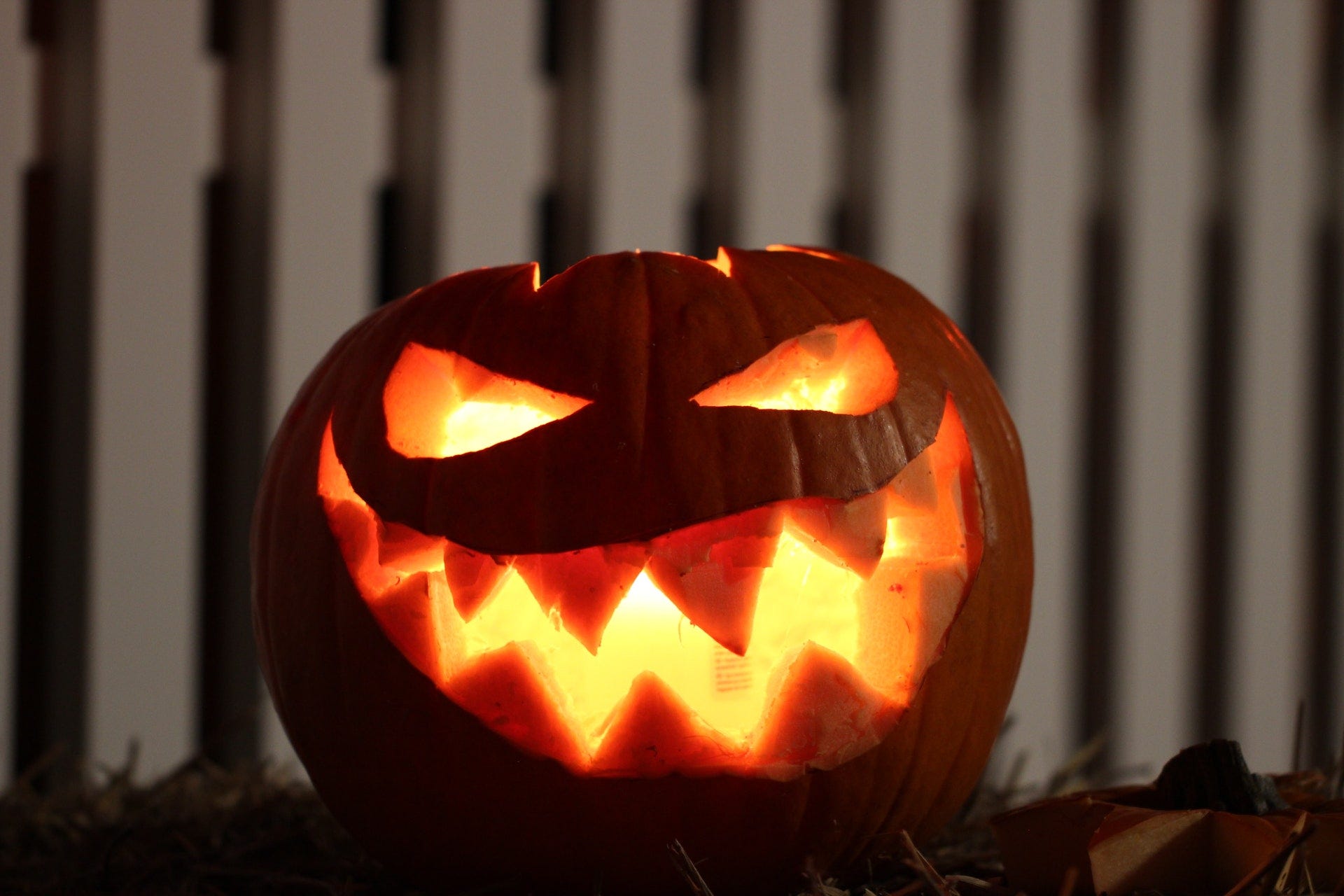
I lied a bit when I started this post, about only knowing fairytales through Shrek. While that movie did help introduce me to the concept, looking back, I see fairytales as something that has always fascinated me. Witchcraft, getting lost in a dark wood, the unnerving idea that death is always lying in wait for us. Those stories always bounced in my mind as a kid, lingering long after the last jack-o-lantern went out on Halloween. Grimms’ Fairy Tales especially spooked me, specifically the story of Hansel and Gretel. Maybe the idea of my little kid self becoming baked Alaska just hit me different. Whatever it was, I did my best to avoid them. Regardless of what I tried, I usually couldn’t help but engross myself in at least the Wikipedia pages that told of evil witches and malicious tricksters.
When I think of fairy tales, I think of the ones I just mentioned. Folktales have always seemed to be part of that same genre. It wasn’t until the class I’m taking at Queens College this semester that my eyes have opened to the possibilities of what folktales could be.
I’ve spoken about Homer’s epics ad nauseam by this point. But there’s folktales in them. The tales my grandfather told me are folktales too. Gay Talese’s Unto the Sons is a gigantic folktale. The stories of monsters and warlocks and pizza men and immigrants are all folktales. It’s a subject with endless possibilities. We all have folktales to tell, and we’re creating new folktales every single day. The idea is inspiring. The fact that you can hear a relative’s story and make it legend opens up the floodgates as to what you can do as a writer or thinker or amateur historian.
While I sit here, wondering how I can make sense of whatever I’m trying to get at with this, I’d like to ask you: what’s your folktale?
Thanks for reading. If you enjoyed this post and would like to support my work, consider becoming a free or paid subscriber.
You can also buy me a coffee.
I was just reading yesterday about Peig Sayers (1873-1958) an illiterate Irish woman storyteller who had some 350 century old tales committed to memory.
I see folktales shaman's tales, fairy tales often as cautionary tales and also as emphasis on what a cultures considers important, good/bad, noble/dastardly, etc. For example Alaskan Eskimo tales tend to emphasize patience while Athabaskan's quickness, a generalization of course with notable exceptions.
Favorite folk tale? Here's one I heard from Eskimo friends down at the end of the Yukon River some years back; https://jiminalaska.substack.com/p/an-eskimo-shaman-story-or-why-you
Folktales are definitely rich territory that could provide a lifetime of study and inspiration. I absolute love the notion that one can take the best real life stories from the people around us and weave them into modern folktales. I mean, ultimately, I would assume that is where the original folktales of yore were conjured from. Real life stories, woven into myth.